Contents
Overview
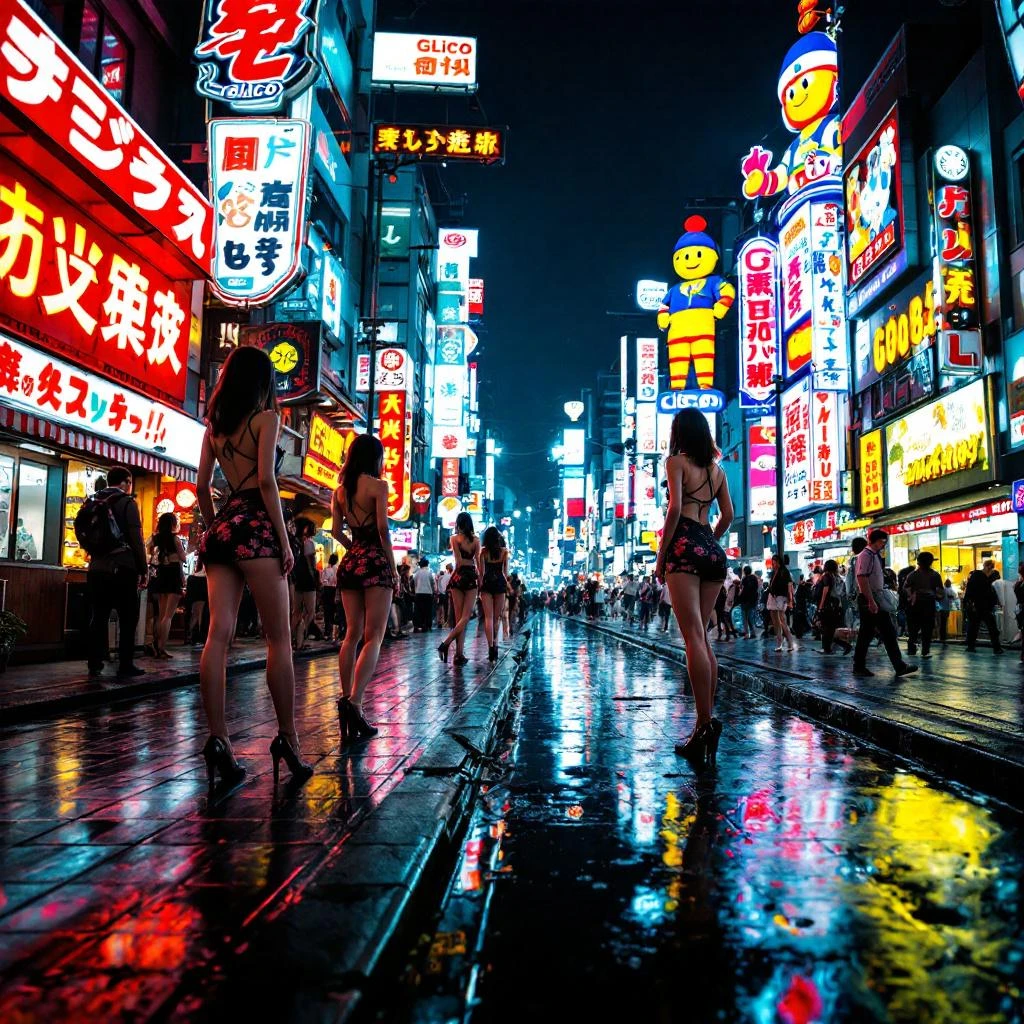
Osaka is Japan's second city in everything that matters — size, food, nightlife, and the adult entertainment infrastructure that comes with a major urban population that works hard and plays harder than Tokyo. The Osaka character is distinct: louder, friendlier, less formal than the capital, with a local culture that actively values eating, drinking, and a good time in a way that Tokyo's professional restraint doesn't always permit.
The adult scene centres on three areas. Namba and Dotonbori in the south is the tourist-facing entertainment district — the neon, the food stalls, the clubs, and the accessible end of the bar scene. Shinsekai, a few stops further south, is older and rougher — a working-class entertainment district that predates the postwar economic miracle and retains a different energy. Tobita Shinchi, east of Shinsekai, is Osaka's most remarkable adult entertainment zone: an open-air licensed district where the transaction is visible from the street in a way that exists nowhere else in Japan.
Tobita Shinchi operates under a legal fiction — women sit in open doorways while a mama-san calls prices. No contact until inside. The format dates to the postwar period and has survived every national crackdown through a combination of local political tolerance and the simple fact that it's been there for 70 years. Foreigner access is possible and well-documented.
Osaka rewards the visitor who treats it as a city first. The food alone — takoyaki, kushikatsu, okonomiyaki, ramen — justifies the trip. The nightlife is a bonus with genuine depth.
Same national framework as Tokyo — soaplands, hostess clubs, and image clubs operate under the Entertainment Business Law. Tobita Shinchi operates in a legal grey zone that Osaka authorities have historically tolerated. Foreigners can access it but should understand the format before going.
Red Light Districts
Namba / Dotonbori
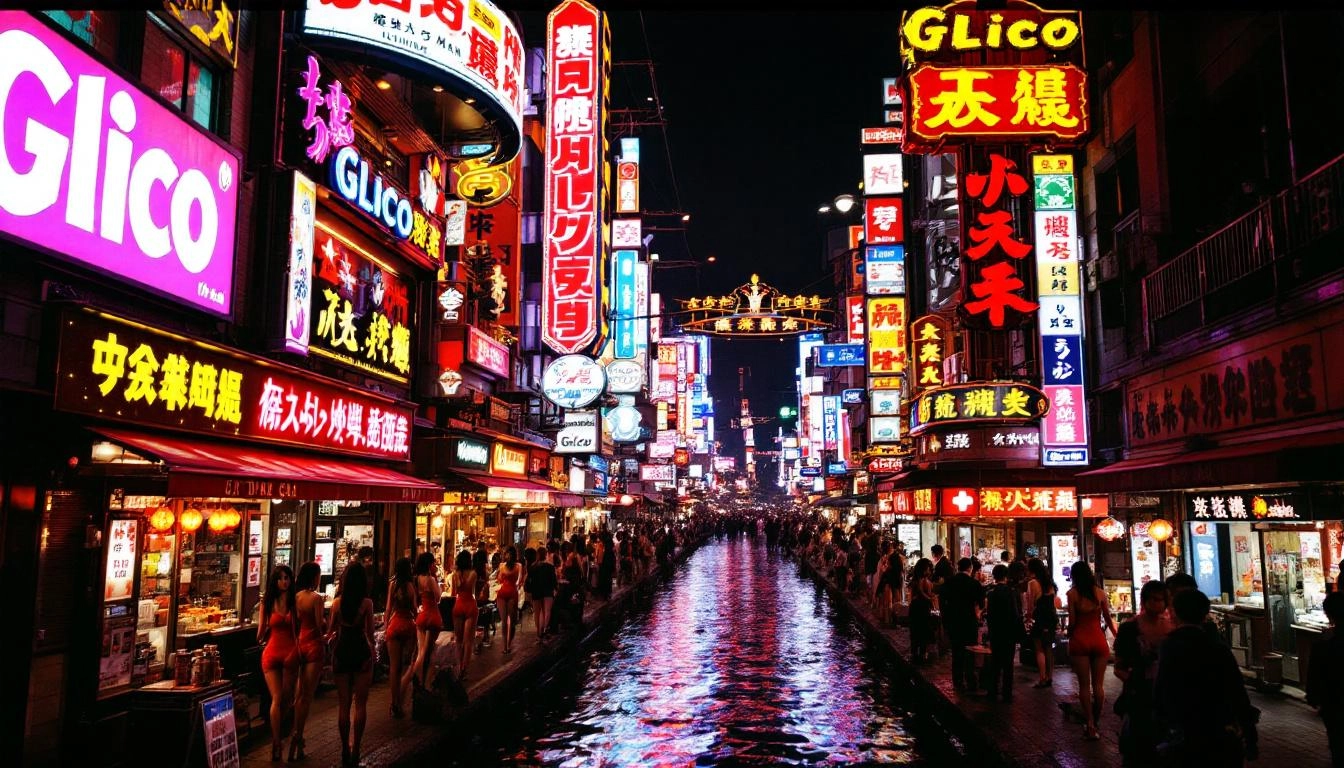
Bars, Clubs, Hostess Bars, KaraokeDotonbori is Osaka's most famous street and the centre of the tourist-facing entertainment district — the canal, the Glico running man sign, the wall-to-wall restaurants and bars that stay open until 4am. It's genuinely one of the most visually arresting urban entertainment strips in the world, and the food is exceptional at every price point.
The nightlife infrastructure extends through the surrounding Namba blocks: clubs, hostess bars, karaoke, and the full spectrum of Japanese entertainment formats accessible to visitors with varying degrees of language ability. The bars around Shinsaibashi-suji (the covered shopping street that runs north from Namba) have an accessible expat-friendly cluster.
For the adult scene specifically: hostess clubs in this area range from the tourist-accessible (English-speaking mama-san, foreigner welcome) to the exclusively Japanese-facing. The accessible tier is findable by walking Dotonbori's side streets and noting which venues have English signage or touts who approach in English. Prices are mid-range by Osaka standards — expect 8,000–15,000 JPY for a hosted session with drinks.
Tobita Shinchi
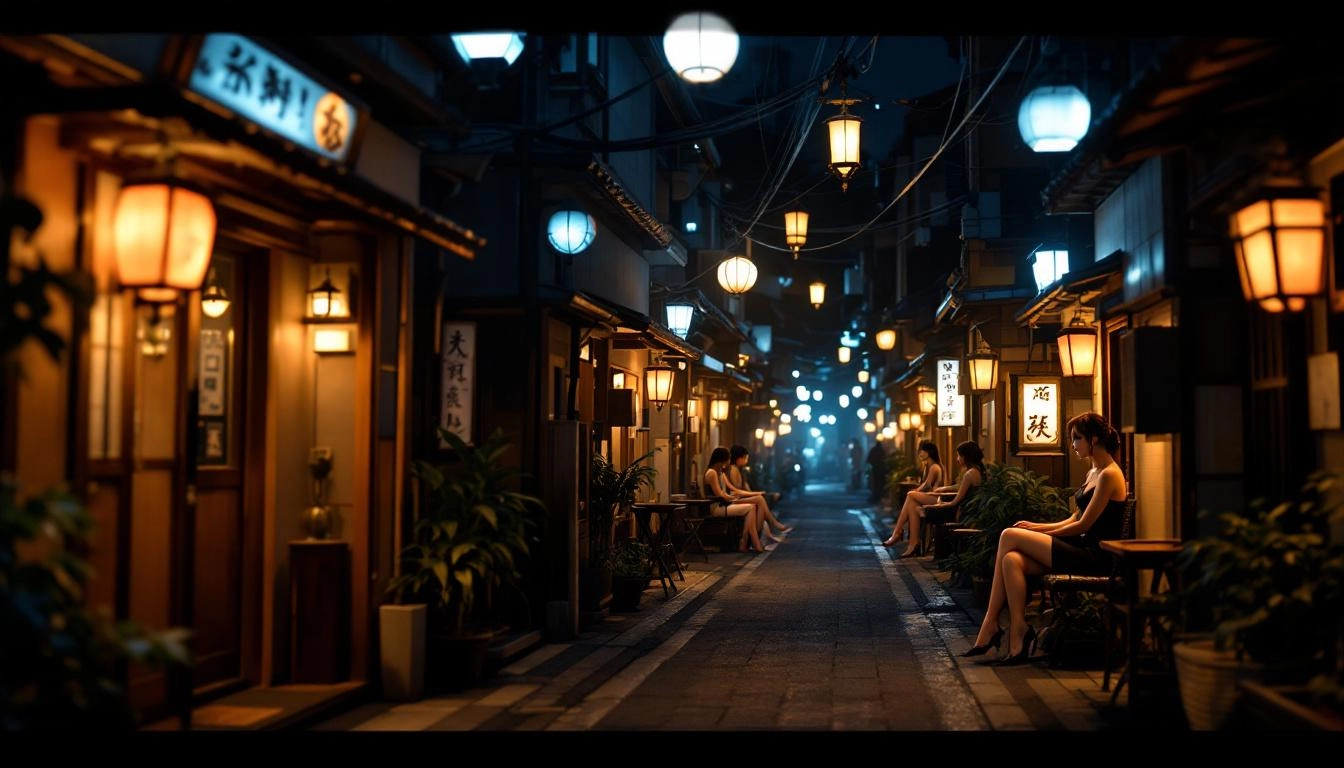
Brothel DistrictTobita Shinchi is unlike anything else in Japan and unlike most things in Asia. A licensed entertainment district east of Shinsekai, it operates as a grid of small establishments where women sit in open doorways — visible from the street — while a mama-san outside calls pricing. You select, negotiate, enter. The transaction is explicit and the format has operated continuously since the postwar occupation period.
The legal fiction is that customers are paying for tea and conversation; what actually happens inside is known to everyone including the authorities. Osaka's local government has tolerated Tobita Shinchi for decades through a combination of political pragmatism and the recognition that a licensed, managed zone is preferable to dispersed street-level activity.
Pricing runs 10,000–20,000 JPY depending on the establishment tier. The district has a mix of basic and premium venues visible from the street — the quality gradient is legible before you commit. Foreigner access is well-documented and generally not an issue; bring cash, be respectful of the mama-san's role in negotiating, and don't try to photograph the street.
Tobita Shinchi operates from mid-afternoon to around midnight. It closes entirely on the 1st and 15th of each month — confirm before making it the specific purpose of a trip.
Shinsekai
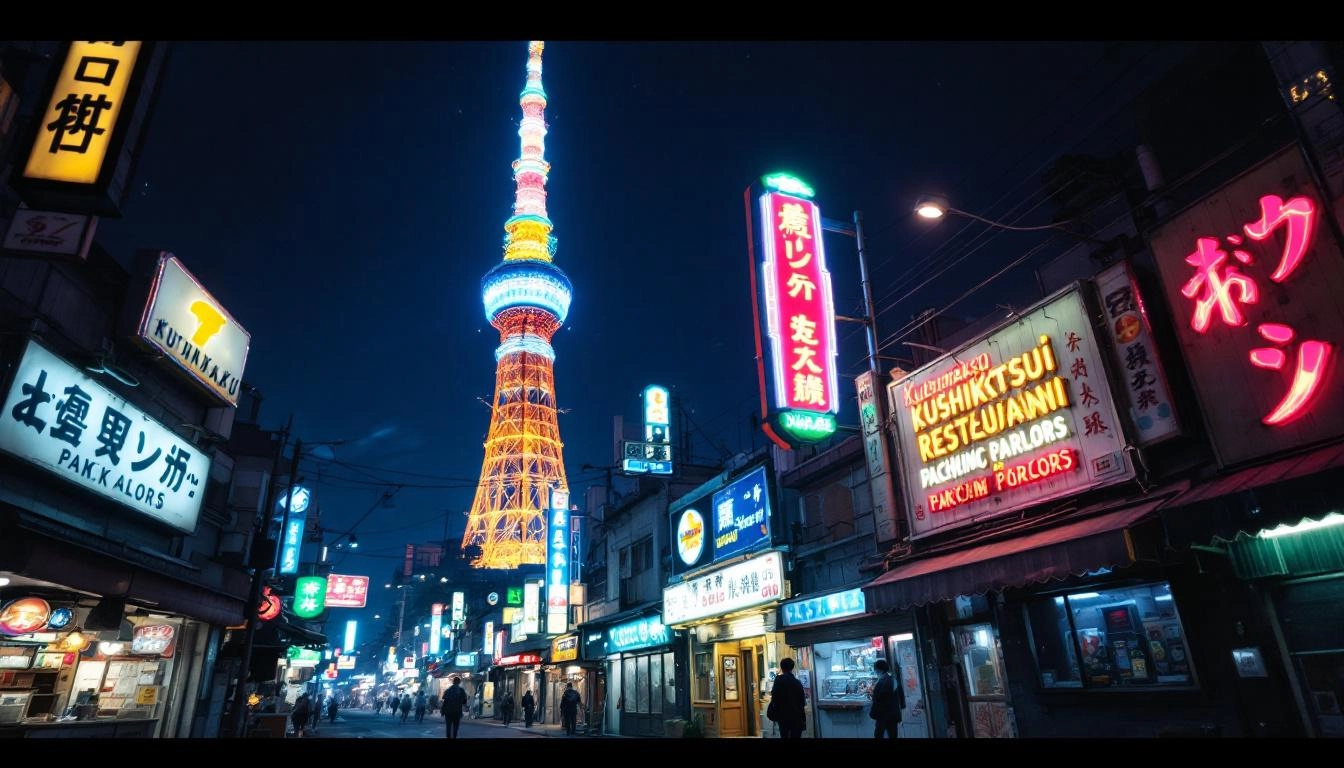
Bars, Kushikatsu, Pachinko, MassageShinsekai — literally "New World" — was built in 1912 as Osaka's entertainment and amusement district, modelled on Paris in the north and New York in the south. It declined through the postwar decades, acquired a rough reputation, and has partially gentrified while retaining a character that distinguishes it sharply from Dotonbori's tourist polish.
The Tsutenkaku tower is the visual anchor. The streets around it are dense with kushikatsu restaurants, pachinko parlours, cheap bars, and the older generation of Osaka's working-class entertainment infrastructure. Some adult venues operate here — massage shops, older-style bars — at lower price points than the Namba zone.
For visitors: Shinsekai is worth an evening as a neighbourhood experience. The kushikatsu alone justifies the trip. Don't go expecting the organised adult scene of Tobita Shinchi or Dotonbori — the entertainment here is rougher-edged and less accessible to foreigners. Come for the atmosphere and the food.
Map
Cost Guide
| Item | Low | High |
|---|---|---|
| Beer (GoGo bar) | 100 THB | 150 THB |
| Lady drink | 150 THB | 200 THB |
| Barfine (Cowboy) | 600 THB | 900 THB |
| Barfine (Nana) | 700 THB | 1,000 THB |
| Short time | 1,500 THB | 2,500 THB |
| Long time | 2,500 THB | 4,000 THB |
| Thai massage (1hr) | 300 THB | 500 THB |
Osaka runs cheaper than Tokyo across the board. Beer at a bar is 500–800 JPY. Dotonbori street food is 300–600 JPY per item. Hostess clubs start around 5,000–10,000 JPY for a session with drinks. Tobita Shinchi pricing runs 10,000–20,000 JPY depending on establishment tier.
Accommodation: budget options from 3,000–5,000 JPY per night in capsule hotels, mid-range business hotels 8,000–15,000 JPY. Significantly cheaper than Tokyo equivalent quality.
Ladyboy Scene
Osaka has a visible LGBT scene centred on Doyamacho in Umeda — a compact gay district with bars, clubs, and some transgender-friendly venues. It's the second largest gay district in Japan after Shinjuku 2-chome. Not specifically a transgender entertainment destination in the P4P sense but the infrastructure is more developed than most Asian cities outside Thailand.
Where to Stay
Namba or Shinsaibashi for the entertainment zones — both are subway-connected to everything and walkable to Dotonbori, Shinsekai, and Tobita Shinchi. Umeda (north Osaka) is better for business hotels and the JR network but requires a subway ride south for nightlife.
For the specific entertainment zones: staying in Namba puts Dotonbori on your doorstep and Tobita Shinchi 20 minutes away on foot.
Safety & Scams
Bangkok is safe for tourists. The risks are almost entirely financial — know the scams before you land.
Osaka is safe. Dotonbori at peak hours is crowded and requires standard pickpocket awareness. Shinsekai has a rougher reputation than it deserves — it's a working-class neighbourhood that looks gritty, not a dangerous one. Tobita Shinchi itself is orderly and professionally managed.
The main financial risk in any Japanese adult entertainment venue is undisclosed charges — confirm all fees before sitting down anywhere.
Tourist police hotline: 1155. English speakers available 24/7.
Getting Around
Osaka's metro is excellent and covers every relevant zone. The Midosuji line runs north-south through the city hitting Shinsaibashi and Namba. Dotonbori is a 5-minute walk from Namba station. Shinsekai is Dobutsuen-mae station. Tobita Shinchi is a 15-minute walk from Shin-Imamiya or a short taxi.
Taxis are metered and honest. IC card (ICOCA or Suica) handles all transport. Osaka is also highly walkable between the southern entertainment zones.
Best Time to Go
Spring (March–May) and autumn (September–November) are the comfortable windows — temperatures 15–25°C, low humidity, minimal rain. Cherry blossom season (late March to early April) fills the city and drives accommodation prices up significantly.
Summer (June–September) is hot and humid — 30–35°C with oppressive August humidity. Winter (December–February) is cold (5–10°C) and occasionally snowy. The nightlife runs year-round regardless of season.
Cannabis
Thailand legalised recreational cannabis in 2022 — the first country in Southeast Asia to do so.
Cannabis is illegal in Japan and treated with zero tolerance — possession of even small amounts carries up to 5 years imprisonment. Japan's drug enforcement is serious and foreigners are not exempt. Not worth considering under any circumstances.
Venues in Osaka